Make Your Workspace Feel Like Yours
A workspace does more than hold your computer, notebook, and daily supplies. It can influence how comfortable, focused, and motivated you feel throughout the day. Personalizing your workspace does not require a major redesign or a large budget. A few thoughtful changes can make the area feel more welcoming and better suited to your habits.
Whether you work from home, study in a shared room, or use a desk at the office, start with small improvements that reflect your needs and personality.
Start With a Clean Foundation
Before adding decorations or accessories, clear away items you no longer use. A tidy workspace makes it easier to see what you have and decide what should stay.
Remove:
– Empty containers and old papers
– Cables you no longer need
– Broken or unused office supplies
– Items that belong somewhere else
– Decorative pieces that make the area feel crowded
Once the surface is clear, group the items you use most often. Keep daily essentials nearby and store occasional supplies in a drawer, box, or cabinet. This creates space for personal touches without making the desk feel cluttered.
A clean foundation also helps you understand what your workspace is missing. You may discover that you need better lighting, more storage, or a comfortable place for your notebook.
Choose a Color Theme
Color is one of the easiest ways to personalize a workspace. You do not need to repaint the room or replace all your furniture. Instead, choose two or three colors for small accessories.
You might use:
– Soft neutrals for a calm, simple look
– Blue or green accents for a fresh feeling
– Warm shades such as terracotta or yellow for energy
– Black, white, or wood tones for a classic style
– Pastel colors for a light and cheerful atmosphere
Add your chosen colors through folders, desk organizers, a mouse pad, a lamp, or framed artwork. Using a simple color theme helps the workspace look intentional while still leaving room for variety.
If you share a workspace, use smaller items such as a mug, notebook, or desk mat to show your style without changing the entire room.
Add Meaningful Decor
Personal items can make a workspace feel more inviting. Choose a few objects that bring positive memories or reflect your interests.
Consider adding:
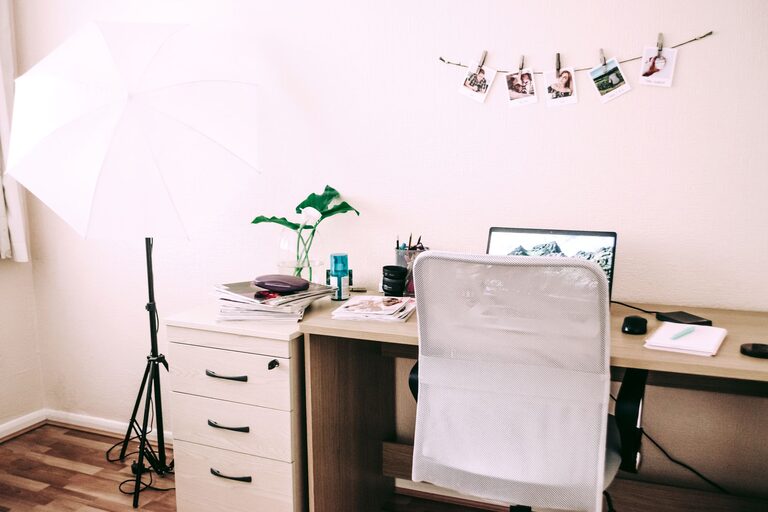
– A framed photograph
– A small piece of artwork
– A travel souvenir
– A favorite quote
– A handmade item
– A collection of postcards
– A small display connected to a hobby
The goal is not to fill every open space. Select items that you genuinely enjoy seeing. One meaningful object may have more impact than several random decorations.
You can also rotate your displays throughout the year. Seasonal artwork, fresh photos, or changing postcards can keep the workspace interesting without requiring a permanent redesign.
Bring in a Plant
Plants can add color, texture, and a natural element to a desk or shelf. If you have good natural light, consider a small potted plant that fits your space. If your workspace has limited light or you prefer low maintenance, choose a hardy variety or a realistic artificial plant.
Before bringing in a live plant, think about:
– How much light the area receives
– How often you can water it
– Whether the pot may leak
– How much space the plant will need
– Whether falling leaves could create extra cleanup
A small plant can sit beside your monitor, on a nearby shelf, or in a corner of the room. Even one natural accent can make a workspace feel more relaxed and personal.
Improve Your Lighting
Lighting affects how a workspace looks and feels. A desk lamp can add personality while making reading and writing more comfortable. Choose a style that matches your decor, such as a simple metal lamp, a colorful design, or a warm-toned fixture.
If possible, place your desk near natural light. Keep the screen positioned so that sunlight does not create distracting glare. For darker areas, use a lamp that provides enough light for your tasks without making the room feel harsh.
You can personalize lighting with:
– A lamp in your favorite color
– A patterned shade
– A small string of lights
– A warm bulb for a softer atmosphere
– An adjustable lamp for flexible positioning
Keep lighting practical as well as decorative. A beautiful lamp is most useful when it supports your daily work.
Organize With Style
Storage does not have to look plain. Choose organizers that match your preferred colors and materials. Baskets, trays, boxes, and file holders can keep supplies under control while adding visual interest.
Use different organizers for specific purposes:
– A tray for items used every day
– A cup or container for pens
– A file holder for active documents
– A small box for cables and chargers
– A drawer organizer for clips and other small supplies
Labeling can also help, especially if you store many materials. Simple labels make it easier to return items to their proper place and maintain the setup over time.
Try to keep the items you use most often within easy reach. Less frequently used supplies can go on a higher shelf or in a cabinet.
Make Your Chair and Desk More Comfortable
Personalization should include comfort, not just appearance. Your chair and desk influence how easily you can settle into your routine.
Consider adding:
– A supportive seat cushion
– A soft throw for cooler days
– A footrest
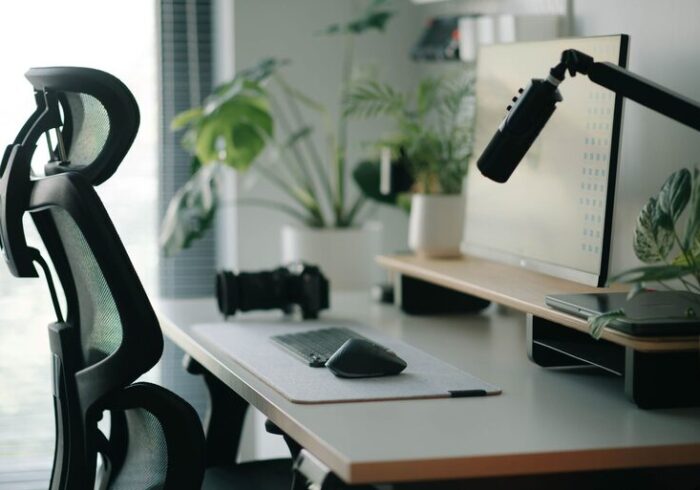
– A comfortable desk mat
– A monitor stand
– A wrist rest
– A cushion for a nearby reading chair
Arrange your equipment so that your most-used items are easy to reach. Keep the desktop at a comfortable height and leave enough room for your keyboard, mouse, notebook, or other tools.
Comfortable furniture does not need to be expensive. Small adjustments can make a noticeable difference in how the space works for you.
Create a Small Inspiration Area
An inspiration area can be as simple as a corkboard, magnetic board, shelf, or section of wall. Use it to display ideas, reminders, sketches, or images that support your goals.
You could include:
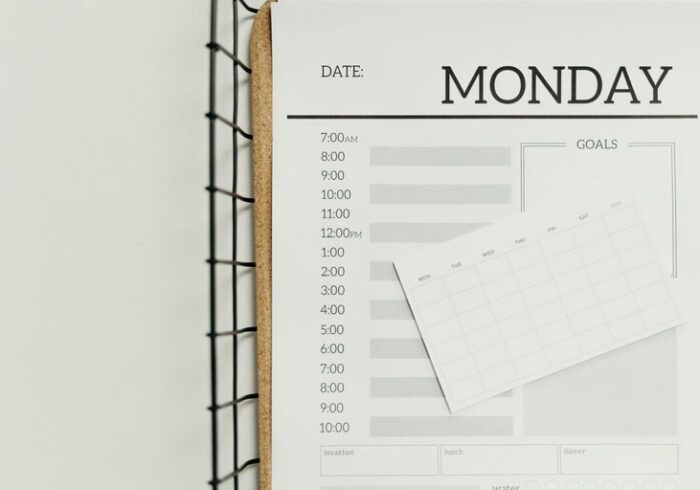
– A weekly priority list
– A calendar
– A mood board
– Photos of places you enjoy
– Notes about current projects
– A list of books or skills you want to explore
Keep the display selective. Too many items can become distracting or make the area feel busy. Refresh it occasionally so it remains useful and visually appealing.
Personalize Your Digital Space
Your workspace includes more than the physical desk. Your computer and digital tools can also reflect your preferences.
Try:
– Choosing a simple desktop background
– Creating folders with clear names
– Using a calendar layout that suits your routine
– Selecting a readable font and theme
– Organizing shortcuts by task
– Creating a playlist for focused work
Digital organization can make your daily setup feel smoother. Keep the design attractive but avoid excessive colors or notifications that may interrupt your attention.
Refresh the Space Regularly
A workspace can gradually become crowded as papers, packaging, and unused supplies collect. Set aside a few minutes each week to return items to their places and remove anything that no longer belongs.
You can also make small seasonal updates, such as changing a photo, adding a new plant pot, or switching a desk accessory. These simple changes keep the workspace feeling fresh without requiring a complete makeover.
The best personalized workspace is one that supports your routine and feels comfortable to use. Start with one or two changes, observe how they affect your day, and adjust the space as your needs change. With a little planning, your workspace can become a practical, welcoming reflection of your style.