
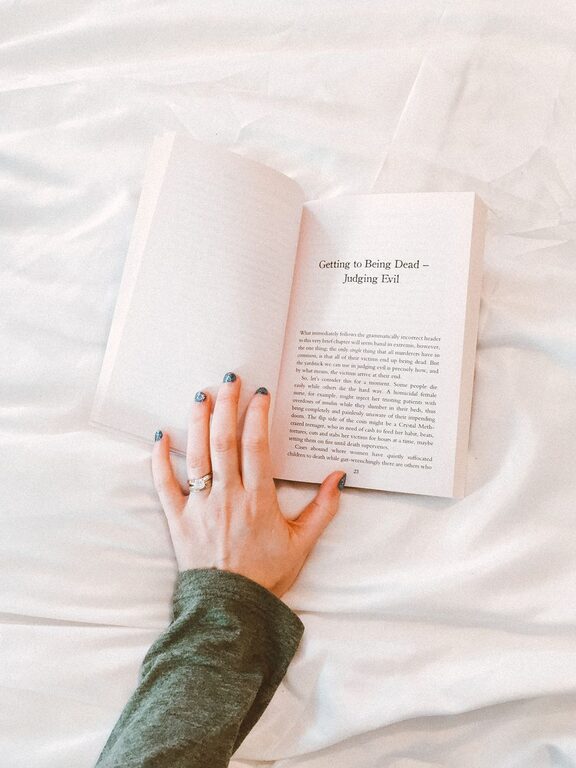
Reading is one of the simplest ways to learn, relax, and explore new ideas. Yet many people struggle to make it part of their regular routine. Busy schedules, digital distractions, and the pressure to read quickly can make books feel like another task on a long to-do list.
The good news is that a reading habit does not require hours of free time or a large personal library. A few realistic changes can help you read more often and enjoy it more. The goal is not to finish a certain number of books. The goal is to create a routine that fits naturally into your life.
Start With a Small Goal
The easiest way to build a reading habit is to begin with a goal that feels almost too easy. If you currently read rarely, do not start by planning to read for an hour every night. That kind of goal may be difficult to maintain and can quickly become discouraging.
Instead, try one of these starting points:
– Read for five minutes each day.
– Read two pages before bed.
– Read one chapter each weekend.
– Read while having your morning coffee.
– Read during a daily commute or break.
A small goal gives you a clear starting point and makes success more likely. Once reading becomes familiar, you can increase the amount gradually.
Consistency matters more than intensity. Reading for ten minutes every day often creates a stronger habit than reading for two hours once a month.
Choose Books You Actually Want to Read
A reading habit is easier to maintain when the material is interesting to you. You do not need to choose books because they are popular, impressive, or recommended by someone else. Pick topics, styles, and authors that make you curious.
You might enjoy:
– Novels in a favorite genre
– Memoirs and personal stories
– Books about hobbies
– Short story collections
– Essays and articles
– Travel writing
– Practical guides
– Graphic novels or illustrated books
It is also helpful to match your choice to your current mood. A light novel may be a better evening read than a complicated nonfiction book. On the other hand, a detailed guide may be ideal when you want to learn something specific.
If a book is not holding your attention after a fair try, you are allowed to stop. Finishing every book is not a requirement for being a reader. Moving on can help you find something that suits you better.
Create a Regular Reading Cue
Habits often develop when one action follows another. This is sometimes called a cue or trigger. Instead of waiting until you happen to have free time, connect reading to something you already do.
For example:
– Read after brushing your teeth at night.
– Read after lunch.
– Read while waiting for an appointment.
– Read during your evening wind-down.
– Read on Saturday mornings before checking your phone.
Choose a time and place that are realistic. If you are usually tired at night, morning reading may work better. If mornings are rushed, try reading during a lunch break or before sleep.
The purpose of a cue is to reduce the need for decision-making. When reading becomes connected to an existing part of your day, it feels more automatic.
Make Reading Easy to Begin
Small amounts of preparation can remove common obstacles. Keep your current book where you can see it and reach it easily. Place it on your nightstand, desk, coffee table, or in your bag.
You can also make reading more convenient by using different formats:
– Keep a paperback or hardcover at home.
– Use an e-book when traveling.
– Try an audiobook while walking or doing household tasks.
– Save short articles for brief breaks.
Having more than one format can help you continue your habit in different situations. You do not have to read in only one way for it to count.
Consider creating a comfortable reading space, even if it is just a chair with good lighting. A pleasant environment can make reading feel like an inviting activity rather than a duty.
Remove a Few Distractions
You do not need a perfectly quiet room to read, but reducing distractions can make it easier to focus. Before you begin, silence unnecessary notifications and place your phone out of reach if possible.
If you often stop reading to check messages, try these simple changes:
– Set a short timer for your reading session.
– Turn on do not disturb mode.
– Leave your phone in another room.
– Use a bookmark instead of checking the page count.
– Keep the television off during your reading time.
Start with a short, focused session. Even ten minutes without interruptions can feel satisfying and help you build confidence.
Use the Five-Page Rule
When you do not feel motivated, promise yourself that you will read only five pages. This lowers the pressure to complete a long session. In many cases, beginning is the hardest part, and you may continue once you become involved in the book.
If you stop after five pages, the session still counts. The purpose is to keep the routine alive, not to force yourself to read when you are tired or distracted.
You can use the same idea with time. Tell yourself that you will read for five minutes. A short session is better than skipping the habit entirely.
Keep Track Without Creating Pressure
Tracking your reading can be encouraging, but it should remain simple. You might use a notebook, calendar, reading app, or a note on your phone. Record the book title, the date, or the number of pages you read.
A basic reading log can help you notice:
– Which times of day work best
– What types of books you enjoy
– How often you read
– Which books you want to explore next
– How your reading routine changes over time
Avoid treating the log as a test. Missing a day does not erase your progress. Simply return to your routine the next day.
Build a Reading List
A reading list can prevent the common problem of finishing one book and not knowing what to read next. Write down titles as you hear about them, but keep the list flexible.
You can organize it into simple categories, such as:
– Books to read soon
– Books to borrow
– Books for learning
– Books for relaxation
– Books recommended by friends
Try not to collect more books than you can reasonably explore. A short, appealing list is more useful than a long list that feels overwhelming.
Protect the Enjoyment
Reading habits last longer when reading remains enjoyable. You do not need to rush, take detailed notes, or remember every idea. Some books are meant to teach, while others are meant to entertain or offer a quiet break.
Give yourself permission to read slowly. You can reread a favorite passage, skip a section, or take a break between chapters. Reading is not a race.
If you want to discuss what you read, share a recommendation with a friend or join a local or online book group. Talking about books can add a social element and introduce you to new titles.
A Simple Seven-Day Plan
Use this plan to get started:
Day One
Choose one book that genuinely interests you and read for five minutes.
Day Two
Read at the same time as the previous day, even if you read only a few pages.
Day Three
Move your phone away and read in a comfortable place.
Day Four
Read during an existing routine, such as after breakfast or before bed.
Day Five
Write down one sentence about what you have read.
Day Six
Try a different format, such as an audiobook or e-book, if it suits your schedule.
Day Seven
Review the week and choose a realistic goal for the next one.
The most effective reading habit is one you can repeat. Start small, choose books you enjoy, and make reading easy to begin. Over time, those short sessions can become a steady part of your day.
