
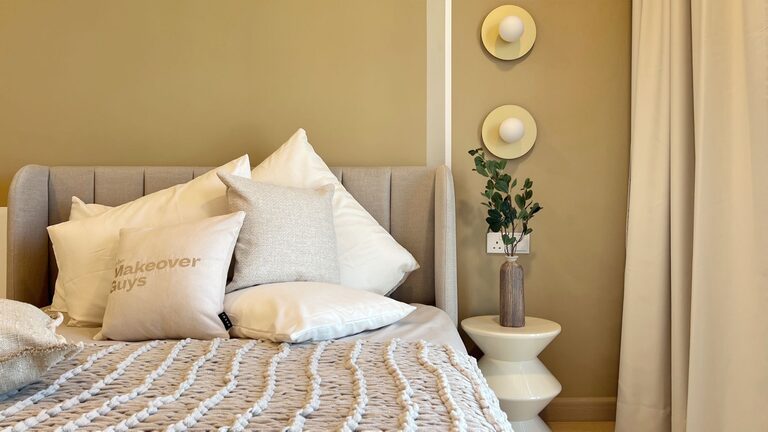
A bedroom refresh does not require new furniture or a major renovation. With a little planning, you can create a cleaner, calmer, more comfortable space by changing a few key details.
The most effective budget updates usually focus on what you see and use every day: bedding, lighting, wall color, storage, and decorative accents. Start with what you already own, then spend selectively on the changes that will make the biggest difference.
Start With a Simple Plan
Before buying anything, take a close look at your bedroom. Notice what feels dated, crowded, uncomfortable, or unfinished. A short planning session can help you avoid impulse purchases and make better use of your budget.
Write down:
– What you want to keep
– What needs to be repaired or replaced
– What can be cleaned or rearranged
– Which one or two areas need the most attention
– How much you can comfortably spend
Choose a general style or mood, such as cozy, bright, natural, or simple. This will make it easier to decide which colors and accessories belong in the room.
Declutter Before Decorating
One of the least expensive ways to refresh a bedroom is to remove items that no longer serve a purpose. A crowded room can make even attractive furniture and decor look less effective.
Work through the room one area at a time:
- Clear the floor.
- Sort surfaces such as nightstands and dressers.
- Remove clothing that no longer fits or gets worn.
- Put away items that belong in other rooms.
- Donate or recycle what you no longer need.
Keep the items that make the room useful, comfortable, or personal. Store everyday essentials in baskets, boxes, or drawers so the room feels more peaceful without requiring expensive storage furniture.
Rearrange What You Already Have
A new layout can make a bedroom feel completely different. Try moving the bed to another wall, repositioning a chair, or shifting the nightstand to improve the flow of the room.
When testing a new arrangement, consider:
– Whether doors and drawers open easily
– How much walking space remains
– Where natural light enters the room
– Whether the bed is easy to access
– If the layout feels balanced
Take a few photos from different corners before and after rearranging. Photos often make it easier to spot areas that look crowded or empty.
You can also repurpose existing pieces. A small table can become a nightstand, a sturdy stool can hold books, and a decorative tray can organize items on a dresser.
Refresh the Bedding
Bedding has a strong visual impact because the bed is usually the main feature of the room. You do not need to replace every piece. Start with the item that looks most worn or has the greatest effect on the overall appearance.
Affordable options include:
– A new duvet cover
– Two decorative pillow covers
– A lightweight throw blanket
– A fitted sheet in a fresh color
– A simple bed skirt or coverlet
Choose colors that work with your existing walls and furniture. Neutral bedding can make a room feel calm, while one or two richer colors can add warmth and personality.
For a polished look, use layers. Place the pillows neatly, fold a throw blanket at the foot of the bed, and keep the color palette limited to a few coordinated shades.
Improve the Lighting
Good lighting can make a bedroom feel warmer and more inviting. Instead of replacing every light fixture, focus on adding or adjusting light sources.
Consider these low-cost changes:
– Replace harsh bulbs with warm white bulbs.
– Add a small lamp to a dark corner.
– Use a plug-in wall light if table space is limited.
– Clean dusty light fixtures and lampshades.
– Add a mirror to reflect natural light.
Use different types of lighting for different purposes. A bedside lamp is useful for reading, while a soft floor lamp or string of lights can create a more relaxed atmosphere. Avoid using only one bright overhead light if you want the room to feel comfortable in the evening.
Add Color Without Painting the Whole Room
Painting every wall can be expensive and time-consuming, but you can still add color in smaller ways. Paint one accent wall, the back of a bookshelf, or the inside of a closet door.
Other simple options include:
– Colorful pillow covers
– A small area rug
– Framed art
– Curtains
– A fabric headboard
– Decorative storage baskets
If you do paint, sample the color first. Paint a small section and view it at different times of day. A shade that looks soft in the store may appear brighter or darker in your bedroom.
Create a Feature Wall
A feature wall gives the room a focal point without requiring a full makeover. The wall behind the bed is often the easiest choice.
Budget-friendly ideas include:
– A single paint color
– Removable wallpaper
– A group of framed prints
– A large fabric hanging
– A collection of personal photos
– A simple arrangement of baskets or woven decor
Keep the display balanced rather than filling every available inch. A few larger pieces often look more polished than many small items.
Shop Your Home First
Before visiting a store, look around your home for items that could work in the bedroom. A vase, framed print, bench, basket, or small lamp may look completely different in a new setting.
You can also update existing pieces with small changes:
– Replace drawer knobs.
– Paint a wooden frame.
– Add new fabric to a lampshade.
– Cover a chair cushion.
– Move artwork from another room.
– Group similar objects together.
Shopping your home helps you save money and creates a more personal room. It also reduces the risk of buying decorations that do not fit your space.
Add Affordable Texture
Texture makes a bedroom feel comfortable and finished. You can add it without spending much by mixing materials such as cotton, wood, glass, woven fibers, and soft fabrics.
Try adding:
– A woven basket
– A small rug beside the bed
– A knitted or fleece throw
– Linen-style curtains
– A fabric storage box
– A textured pillow
You do not need many accessories. Two or three pieces with different textures can make a noticeable difference.
Use Secondhand and Seasonal Sales
Secondhand stores, community marketplaces, garage sales, and local resale groups can be useful sources for bedroom items. Look for solid furniture, frames, mirrors, lamps, and baskets.
Check each item carefully for damage, odors, and missing parts. Measure furniture before buying it, and avoid purchasing pieces simply because they are inexpensive.
For new items, compare prices and wait for seasonal sales when possible. Make a short list before shopping so discounts do not encourage unnecessary purchases.
Finish With a Cleaning Routine
A clean room often feels newly decorated. Once your updates are complete, wash the bedding, dust furniture, clean mirrors, vacuum under the bed, and wipe down light fixtures.
Create a simple maintenance routine:
– Make the bed each morning.
– Put clothing away at the end of the day.
– Clear nightstands once a week.
– Wash bedding regularly.
– Return decorative items to their places.
A few small habits can help your refreshed bedroom stay comfortable and organized for longer.
Final Thoughts
Refreshing a bedroom on a budget is about making thoughtful changes rather than buying more things. Declutter first, rearrange the layout, improve the bedding and lighting, and add a few personal details. By focusing on comfort, function, and coordination, you can create a room that feels fresh without overspending.
