
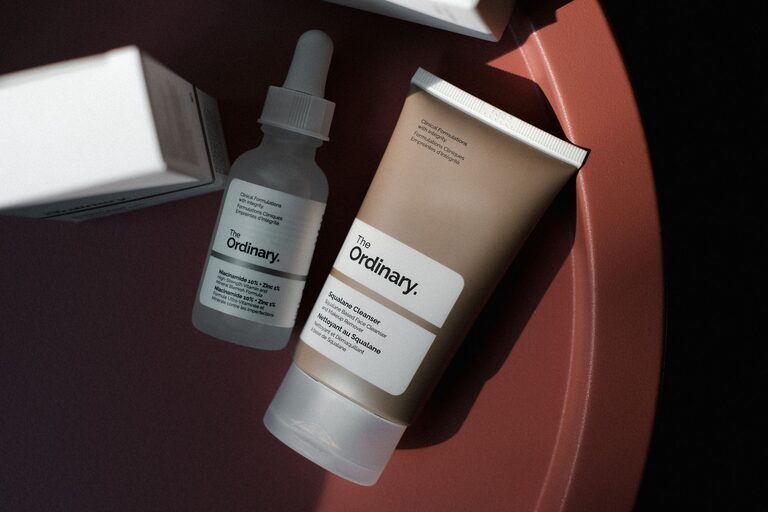
Starting a skincare routine does not have to mean buying a shelf full of products. A simple routine with a few well-chosen basics can help keep your skin clean, comfortable, and protected. The key is to begin slowly, learn what works for you, and stay consistent.
Skin can vary from person to person, so there is no single routine that works for everyone. Your age, skin type, lifestyle, climate, and personal preferences can all affect which products feel best. This guide covers the basic steps and explains how to build a routine without making it complicated.
The Three Essential Steps
A basic skincare routine has three main steps:
- **Cleanse** to remove dirt, oil, sweat, and makeup.
- **Moisturize** to support comfortable, hydrated skin.
- **Protect** with sunscreen during the day.
These steps are enough for many people. Once your skin is comfortable with this routine, you can decide whether you need additional products.
Step One: Choose a Gentle Cleanser
Cleansing helps remove buildup from the skin’s surface. It is especially useful in the evening, after a day of wearing sunscreen, makeup, or being exposed to sweat and dirt.
Look for a cleanser that is:
– Gentle and suitable for your skin type
– Easy to rinse away
– Free from a strong fragrance if your skin is easily irritated
– Comfortable rather than tight or dry after use
Use lukewarm water instead of very hot water, which can leave skin feeling dry. Apply the cleanser with clean fingertips and massage gently for about 20 to 30 seconds. Avoid scrubbing hard or using rough tools.
For many people, cleansing once in the evening is enough. If you enjoy washing your face in the morning, use a gentle cleanser or simply rinse with water if your skin feels comfortable that way.
What If You Wear Makeup?
If you wear makeup or water-resistant sunscreen, you may need an extra removal step before cleansing. A cleansing balm, oil cleanser, or micellar water can help loosen these products. Follow with your regular gentle cleanser if needed.
Avoid rubbing the skin around your eyes. Instead, hold a product-soaked cotton pad over the area briefly, then wipe gently.
Step Two: Apply Moisturizer
Moisturizer helps reduce feelings of dryness and supports the skin’s natural protective barrier. Even people with oily skin may benefit from a lightweight moisturizer.
Choose a texture based on how your skin feels:
– Gel moisturizers often feel light and refreshing.
– Lotions provide moderate hydration without feeling too heavy.
– Creams are richer and may suit dry or rough-feeling skin.
– Fragrance-free formulas can be a good option for easily irritated skin.
Apply moisturizer after cleansing while the skin is slightly damp. This can help the product spread easily and leave skin feeling comfortable.
If your skin feels greasy after moisturizing, try using a smaller amount or switch to a lighter formula. If it still feels tight or dry, choose a richer moisturizer or apply a little more.
Step Three: Use Sunscreen During the Day
Sunscreen is an important daytime step because it helps protect skin from ultraviolet, or UV, exposure. Choose a broad-spectrum sunscreen with an SPF of 30 or higher.
Apply sunscreen as the last step of your morning routine. Use enough to cover the face, neck, ears, and other exposed areas. Reapply as directed on the product label, especially after swimming, sweating, or spending a long time outdoors.
You can choose between mineral and chemical sunscreen formulas. The best option is one that feels comfortable and that you will use consistently. If sunscreen leaves a white cast, feels sticky, or irritates your skin, try a different formula or finish.
Remember that shade, hats, clothing, and sunglasses can also help reduce direct sun exposure.
How to Identify Your Skin Type
Skin type can give you a starting point when choosing products. Wash your face gently, wait for a while without applying anything, and notice how your skin feels.
– Normal skin: Feels generally comfortable, without much dryness or oiliness.
– Dry skin: May feel tight, rough, or flaky.
– Oily skin: May look shiny or feel greasy, especially during the day.
– Combination skin: May be oily in some areas and dry or comfortable in others.
– Sensitive skin: May become uncomfortable, red, itchy, or irritated easily.
Skin type can change with the seasons, stress, travel, and other everyday factors. Treat this list as a guide rather than a strict label.
Add New Products Slowly
After using cleanser, moisturizer, and sunscreen consistently, you may want to add another product. Examples include a hydrating serum, exfoliant, or product designed for uneven-looking skin.
Add only one new product at a time. Use it for several days or weeks before introducing anything else. This makes it easier to notice whether the product suits your skin.
Before applying a new product to your face, perform a small patch test according to the product directions. Stop using it if you notice significant burning, swelling, itching, or ongoing discomfort.
More products do not always create better results. Using several strong products at once can make a routine confusing and may leave your skin feeling irritated.
Be Careful With Exfoliation
Exfoliation removes some surface buildup and can make skin feel smoother. However, it is not essential for a basic routine.
If you choose to exfoliate, start with a mild product once a week. Avoid using several exfoliating products together, and do not scrub aggressively. If your skin feels raw, unusually dry, or uncomfortable, pause exfoliation and return to a gentle cleanser and moisturizer.
A Simple Morning and Evening Routine
Morning
- Cleanse gently or rinse with water.
- Apply moisturizer if needed.
- Finish with broad-spectrum sunscreen.
- Remove makeup or water-resistant products if necessary.
- Cleanse gently.
- Apply moisturizer.
Evening
Keep the routine near your toothbrush or another daily item so it becomes easier to remember. Consistency matters more than having a complicated schedule.
Common Mistakes to Avoid
A few simple habits can help you protect your skin and get more from your routine:
– Do not wash your face with very hot water.
– Avoid harsh scrubbing and rough exfoliating tools.
– Do not use several new products at the same time.
– Check product directions and expiration information.
– Wash pillowcases, towels, and makeup tools regularly.
– Avoid sharing makeup or skincare products.
– Give a new routine time before deciding whether it works.
If you have ongoing or severe skin concerns, consider asking a qualified skin professional for personalized guidance. Otherwise, a gentle cleanser, comfortable moisturizer, and daily sunscreen are a practical place to begin.
